
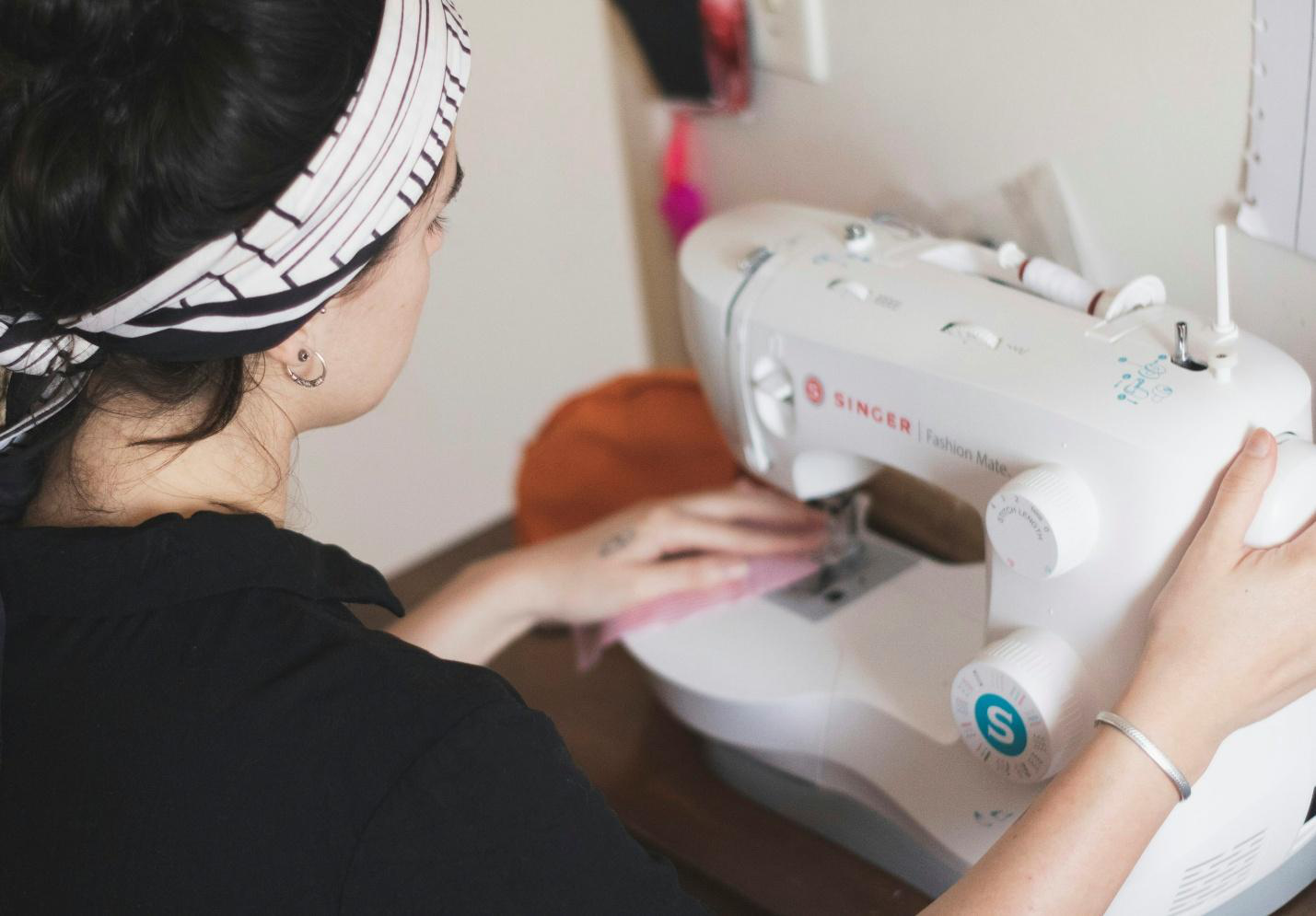
Embroidery and sewing on performance fabrics requires a shift in your standard operating procedures because these materials are designed to be lightweight, stretchy, and slick. When you move from a standard cotton polo to a polyester moisture-wicking shirt, the fabric behaves differently under the needle. The primary struggle you face is “hoop burn” and fabric shifting. Because these synthetic fibers are often heat-sensitive and smooth, the pressure of a standard hoop can leave permanent shiny rings or deep indentations that do not wash out. High-quality embroidery digitizing helps, but on the floor, you must manage physical tension carefully. To prevent marks, use magnetic hoops or wrapped hoops that distribute pressure more evenly. If you are stuck with standard plastic hoops, place a piece of wax paper or a thin layer of foam between the top hoop and the fabric to act as a buffer.
Selecting the Right Needles and Machine Speeds
Needle selection is a major factor in maintaining production quality. Using a sharp needle on a knit performance garment will often result in small holes because the needle cuts through the delicate synthetic fibers instead of pushing them aside. You must switch to a small ballpoint needle, typically a 70/10 or 65/9 size. The rounded tip of a ballpoint needle slides between the knit loops, preserving the integrity of the moisture-wicking weave. Additionally, keep your machine speed lower than usual. High-speed friction creates heat, and since polyester has a low melting point, a fast-moving needle can melt the fabric fibers. This leads to frequent thread breaks and ruined garments that are expensive to replace.
Stabilizing Stretchy Materials Correctly
Stabilization is where many mistakes happen on the production floor. You cannot rely on a single layer of tear-away backing for stretchy athletic gear. The fabric will pull and puck during the embroidery process, resulting in a distorted logo that looks unprofessional. Instead, use a cut-away stabilizer. For very thin or “slinky” materials, a “no-show” mesh stabilizer is the best choice because it provides the necessary support without adding bulk or showing through light-colored fabric. Always ensure you are not stretching the fabric when you hoop it; the material should lay flat and natural. If you pull it tight like a drum head, the design will pucker as soon as you release it from the hoop.

Final Steps for Quality Results
Ensuring your machine settings are correct is only half of the job. You also need a file that is specifically programmed for stretchy materials. When you work with an embroidery digitizing company, make sure they know you are using performance wear so they can adjust the stitch density and pull compensation. This helps your uniform logo digitizing stay crisp without puckering the garment. If you need a convert logo to DST file service that understands these technical requirements, Affordable Digitizing provides reliable files that run smoothly on every type of athletic material.
Contact us to get more information