
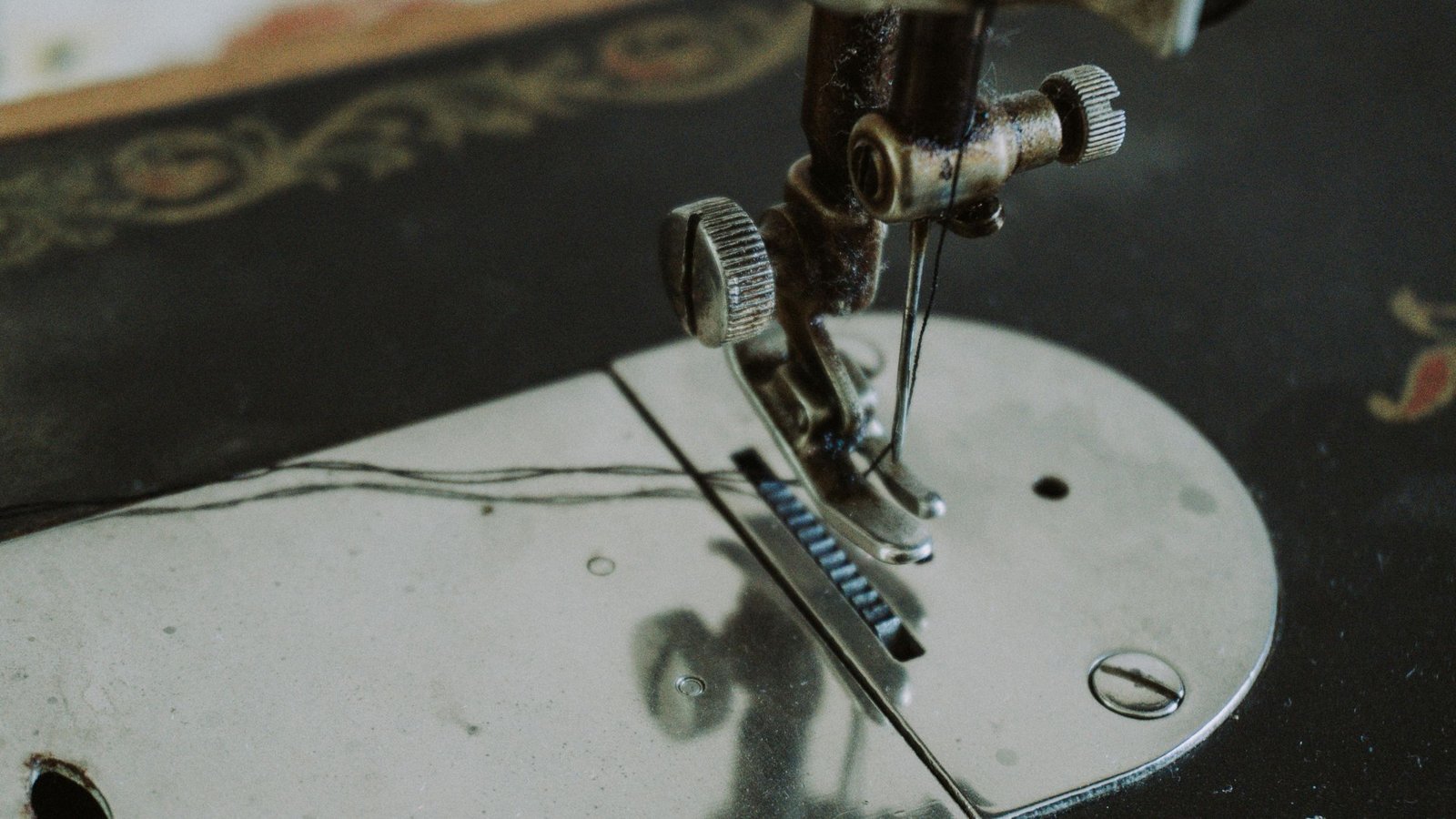
Buying a used embroidery machine can stretch your budget and unlock pro features, but it’s not risk-free. Weigh potential savings against hidden wear, missing accessories, and limited support. Focus on stitch count, service records, and how easily you can source parts. Test drive models, confirm warranties, and compare prices before you commit.
If you know where to shop and what to inspect, you can avoid costly surprises—and spot the best value.
Pros and Cons of Buying Preowned
While purchasing a pre-owned embroidery machine can lower your initial costs, it also introduces new variables. Experience immediate cost savings and frequently receive higher-tier features for less.
Still, weigh risk factors: hidden wear, missing accessories, or limited support. Seek quality assurance through service records, test stitches, and verified maintenance.
Compare models carefully—feature comparisons reveal whether older tech meets your project’s needs. Read user experiences to spot chronic issues and real-world reliability.
Confirm software compatibility and upgrade paths. Check stitch counts, last service dates, and return policies.
If the machine passes inspection and documentation checks, you’ll likely score reliable performance at value.
Where to Shop: Lowest to Highest Risk
Although deals pop up everywhere, you’ll cut risk by shopping in a clear order: start with local authorized dealers (ideally in-store) where techs inspect machines, include warranties, and may discount classroom or floor models.
Local dealer advantages include verified servicing, bundled lessons, and strong return policies.
Next, consider certified refurbished online listings; scrutinize warranty importance, return windows, and seller reputation.
Commercial embroidery dealers suit industrial buyers.
Private sales follow—evaluate online marketplace risks, insist on local pickup, and test before paying.
Bring fabric, thread, and stabilizer to test your strategies.
Prioritize maintenance considerations by reviewing service records, stitch counts, cleanliness, and parts availability.
Defining Your Must-Have Features and Budget
Now that you know where to shop with the least risk, be clear about your needs and budget.
List your feature priorities: hoop size, single vs. multi-needle, embroidery-only or combo, auto jump-stitch trimming, on-screen editing, and built-in designs.
Match them to your sewing preferences, such as monograms, appliqué, patches, or quilting accents. Rank the machine brands you trust and note which models have the embroidery capabilities you need the most.
Set firm budget constraints, including accessories, software, and potential service. Decide your walk-away price.
If a model fits your essentials but lacks frills, take it; skip extras that don’t serve your workflow.
Hands-On Testing: What to Bring and Check
Tote a small testing kit—your go-to fabric scraps, matching stabilizers, bobbins, and the thread brands you actually use—and plan to stitch a simple design on the spot.
Bring multiple weights of test fabric to gauge tension and density. Power up and explore the machine interface: load a file, adjust size, rotate, and change colors.
Examine threading ease, bobbin winding, and sensor responses. Listen for operational quirks: grinding, hesitation, or uneven speed.
Test all the included hoops for alignment and clamp security. Verify needle up/down, trim, tie-off, and auto threader.
Evaluate lighting, screen responsiveness, and USB or Wi‑Fi transfer.
Stitch Count, Service History, and Overall Health
Before you fall for a shiny exterior, dig into the machine’s data: confirm the total stitch count, last service date, and any repair records. You’re judging how hard it’s worked and how well it’s been cared for.
Consistent service documentation and maintenance records often predict better stitch quality and fewer surprises. Compare machine age to usage; a young unit with sky‑high stitches or a vintage one with gaps in care merits caution.
Read the repair history to spot recurring issues. If details are missing, assume added risk and negotiate accordingly.
- Low stitch count, recent service, smooth samples
- Moderate count, solid records, stable tension
- High count, spotty care, noisy operation
Warranties, Returns, and Parts Availability
Even if the price is reasonable, it’s important to carefully review the protection details: verify the warranty duration, the specific parts and labor it covers, the entity responsible for honoring it (dealer or manufacturer), and whether it is transferable to you.
Verify warranty coverage against common failures like boards, motors, and tension units. Ask for written return policies, restocking fees, and who pays shipping.
Check parts accessibility for hoops, bobbin cases, presser feet, and obsolete electronics; call a dealer to confirm availability and lead times.
Estimate repair costs for boards and timing issues. Test customer support responsiveness before buying. Prefer sellers offering documented coverage and easy returns.
Internal Inspection and Maintenance Clues
After you’ve vetted warranties and returns, open a few access points and let the machine’s condition speak for itself. Shine a light on internal components: gears, hook area, and bobbin race. Lint drifts, oil stains, and metal shavings reveal maintenance frequency and cleaning techniques.
Ask how the previous owner stored it—humidity and dust shorten machine longevity. Rotate the handwheel; feel for grittiness or drag. Listen for clicks or knocks during a brief test.
- Clean hook, oiled wick, and tidy wiring suggest careful upkeep.
- Matted lint, rusty screws, and nicks warn of neglect.
- Fresh grease in isolated spots may hide wear.
Upgrade Paths and Software Updates
While a used machine can be a bargain, its real value often hinges on what it can become.
Check the brand’s upgrade paths: paid firmware unlocks, module add‑ons, or accessory packs that deliver clear upgrade benefits like larger hoops, faster stitch speeds, or on‑screen editing.
Confirm software compatibility with current operating systems and design formats; outdated drivers can stall feature enhancements.
Ask if firmware is still supported and whether updates require dealer installs.
Review changelogs for bug fixes and new stitches.
Favor models with active user community support, which extends machine longevity through shared tips, workarounds, and vetted update guidance.
Smart Pricing Research and Negotiation Tips
Once you know a model’s upgrade potential, anchor your budget with real market data.
Do a quick market analysis: scan sold eBay listings, local dealer promos, and refurbished prices. Use cost evaluation to compare stitch count, service history, and included hoops/software.
Build value assessment by quantifying warranties, training, and return policies. Set firm pricing strategies, then negotiate confidently.
- Compare three real comps and average them to form your walk-away price
- Bring cash for leverage and ask for add-ons (needles, stabilizer, classes)
- Test stitch quality on-site and note repair estimates to adjust offers
Deploy calm, time-bound negotiation tactics and document terms in writing.
Affordable Digitizing: The Key to Unlocking Your Embroidery Potential
Investing in a used embroidery machine can be a game-changer, offering access to professional features without the hefty price tag. However, the journey to a successful purchase requires careful consideration and thorough verification. Define your must-haves, inspect the stitch count and service records, test the machine with your own designs, confirm the availability of parts, and negotiate with informed data. Opt for lower-risk sellers, safeguard your investment with warranties, and examine maintenance clues to ensure longevity.
At this intersection of opportunity and diligence, the real question evolves from “if” to “which machine will elevate your craft?” As you navigate this process, remember that Affordable Digitizing is here to complement your embroidery journey. With our expert embroidery digitizing services, we empower you to transform your ideas into stunning, professional-quality designs seamlessly.
Our commitment to quality and customer satisfaction ensures you can fully harness the capabilities of your new machine, whether used or new. Let us partner with you in bringing your creative vision to life—after all, the right tools and expert support make all the difference in mastering your embroidery skills.